Health and Safety Policy — Skip Hire Chelsea
 This Health and Safety policy sets out the commitment of Skip Hire Chelsea and associated teams to deliver safe, compliant and efficient rubbish collection and skip hire services across our service area. The policy covers the safety of staff, contractors, clients and members of the public while promoting a proactive safety culture. It applies to all operations including delivery, placement, collection and transfer of skips and waste materials, with emphasis on safe rubbish removal, correct segregation and responsible waste handling.
The aims of the policy are to: protect people from harm; prevent incidents and injuries; ensure that equipment and vehicles are maintained safely; and continually improve processes. The scope includes on-site activities, vehicle operations, manual handling during rubbish clearance, and interaction with third-party waste transfer facilities. Everyone involved in our Chelsea skip hire and rubbish removal services must understand and apply the controls described here.
 Our approach is founded on risk assessment, clear responsibilities and regular training. We will identify and assess hazards before any activity, implement proportionate controls, and record findings. Risk assessments for skip placement, road-side works, site access, and hazardous items will be documented and reviewed. The policy encourages reporting of near misses and hazards so that corrective actions are taken promptly and lessons are shared across the team.
Roles, Responsibilities and Safe Systems
Senior management has overall responsibility for health and safety and will ensure adequate resources are available to implement this policy. Supervisors and site operatives are responsible for ensuring the correct procedures are followed during skip delivery, loading and collection. All employees must take reasonable care for their own safety and that of others. Contractors working alongside our crew are required to comply with our safety protocols and demonstrate safe working practices.
 Key elements of our safe system include pre-start checks, site briefings, permit controls for hazardous loads, and traffic management for roadside operations. Vehicle checks include brakes, lights, load restraints and reverse alarms. Manual handling and lifting tasks are minimised through mechanical aids where possible; staff are trained in correct lifting techniques and use of personal protective equipment (PPE).
We maintain a clear hierarchy of controls: elimination, substitution, engineering controls, administrative measures and PPE. This is applied to common risks in this sector such as manual handling, slips, trips, falls, vehicle movements and exposure to sharp or hazardous waste during rubbish clearance.
Training, PPE and Competence
All operational staff receive induction training covering safe skip handling, waste segregation, hazardous item identification, and emergency procedures. Training is refreshed at regular intervals and supplemented with toolbox talks. We maintain records of competence and ensure that specialised roles — such as drivers and those handling hazardous waste — hold appropriate qualifications and licences.
 PPE is provided and must be worn where required: high-visibility clothing, gloves suitable for waste handling, safety boots and eye protection. Employees are encouraged to report damaged PPE so replacements can be issued without delay. Where tasks demand additional protection, such as respiratory equipment for dusty loads, the correct type is specified and fitted.
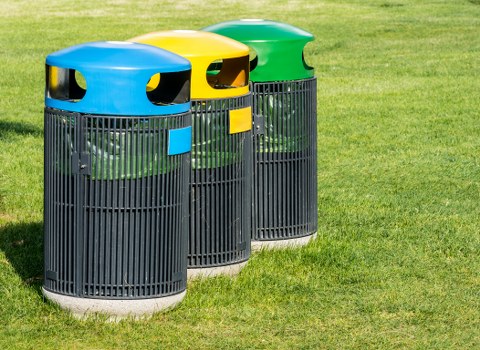
 Waste categorisation and handling rules reduce risk: segregate recyclables, general waste and hazardous materials; do not accept or load unknown liquids, asbestos or chemical containers without proper procedure; label and secure specialist wastes for appropriate transfer. Our teams follow strict procedures when encountering potentially hazardous items during rubbish collection, and will isolate the area and notify management when specialist disposal is required.
Site safety includes clear access routes, barricading where necessary, and traffic control for skip placements on public highways. Communication protocols ensure that drivers and operatives coordinate movements, especially during reversing or when people are nearby. Vehicle-mounted cameras, audible alarms and competent banksmen are used to reduce the risk from vehicle operations.
Emergency preparedness covers first aid availability, incident reporting and investigation, and fire response. We maintain first aid kits in vehicles and at key depots, and designate trained first-aiders. Incidents and near-misses are recorded, investigated and used to improve procedures. A clear escalation matrix ensures timely external emergency services involvement when required.
The company enforces a program of inspection, maintenance and auditing. Equipment and vehicle maintenance schedules are documented and adhered to, and records retained. Regular audits assess compliance with this policy, and results are used to set improvement targets and action plans.
Health surveillance is provided where necessary, and occupational health risks are assessed for roles with repeated exposure to dust, noise or manual handling. Welfare facilities and rest breaks are provided in line with operational requirements to prevent fatigue and maintain concentration during rubbish removal tasks.
Our procurement and contractor management processes require suppliers to demonstrate safety competence. Contracts include clear health and safety expectations, and contractor performance is monitored. We work collaboratively with partners to ensure consistent standards across all skip hire and waste collection activities in the service area.
The policy is reviewed annually or sooner if significant changes occur. Continuous improvement is driven by incident learning, regulatory developments and feedback from staff. Strong leadership, active worker participation and diligent application of these principles underpin our commitment to safe, reliable and responsible skip hire, waste collection and rubbish clearance services.
Signed: Managing Director — on behalf of Skip Hire Chelsea. This policy is supported by operational procedures, risk assessments and training records that detail how the statement is implemented and maintained.
Key commitments:
- Maintain safe working systems and equipment for skip hire and rubbish collection
- Provide training and PPE to all necessary staff
- Identify, assess and control hazards through risk management
- Respond to incidents promptly and learn to prevent recurrence
- Review and update the policy to reflect evolving best practice
All personnel engaged in our operations are required to familiarise themselves with this policy and act in accordance with its principles to ensure the safety of everyone affected by our services.